Selected instructional design portfolio

David J. Townsend

Instructional Designer | Learning Experience Designer

Learner-centered design · Evidence-informed practice · Interactive instruction

I design accessible learning experiences that connect learner needs, meaningful practice, and evaluation. Explore the design decisions and original work behind selected projects.

David J. Townsend portrait
Current Practice
Know Buddies LLC · Part-time
Global Teaching
China • U.S. • Remote

Learning experiences, grounded in design decisions

Selected case studies explain the learning challenge, design decisions, and evidence available to guide improvement.

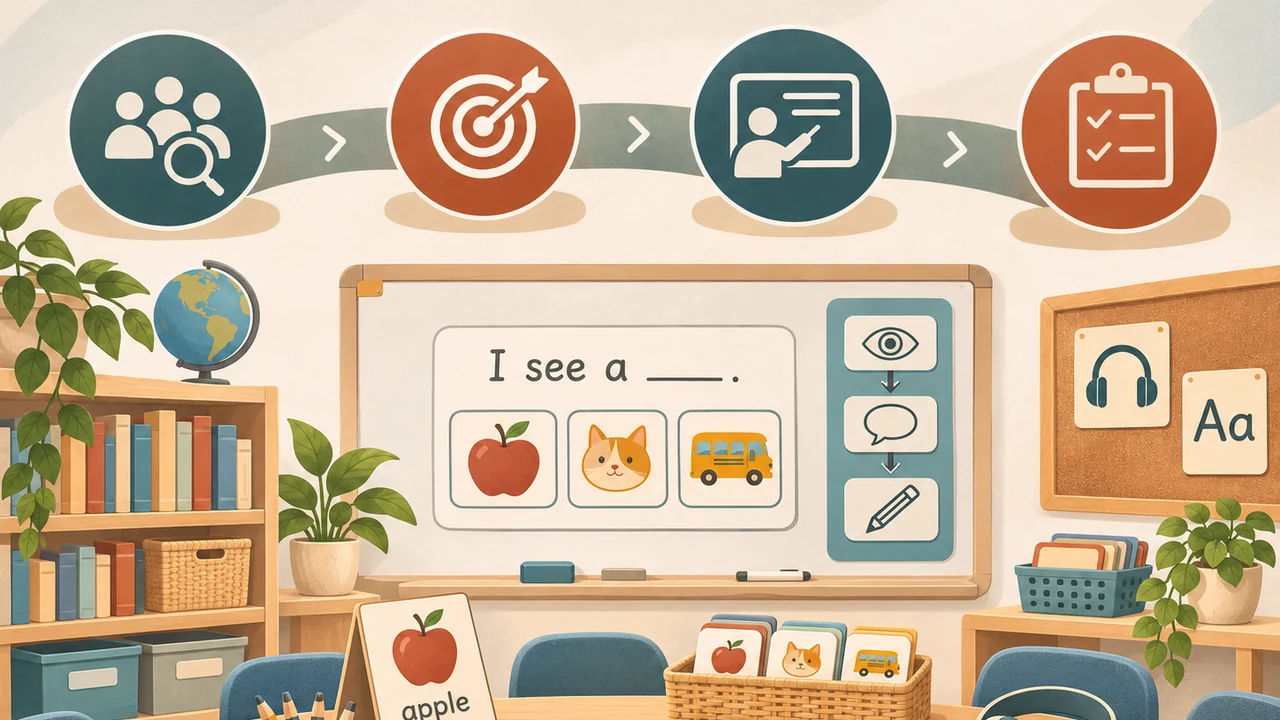
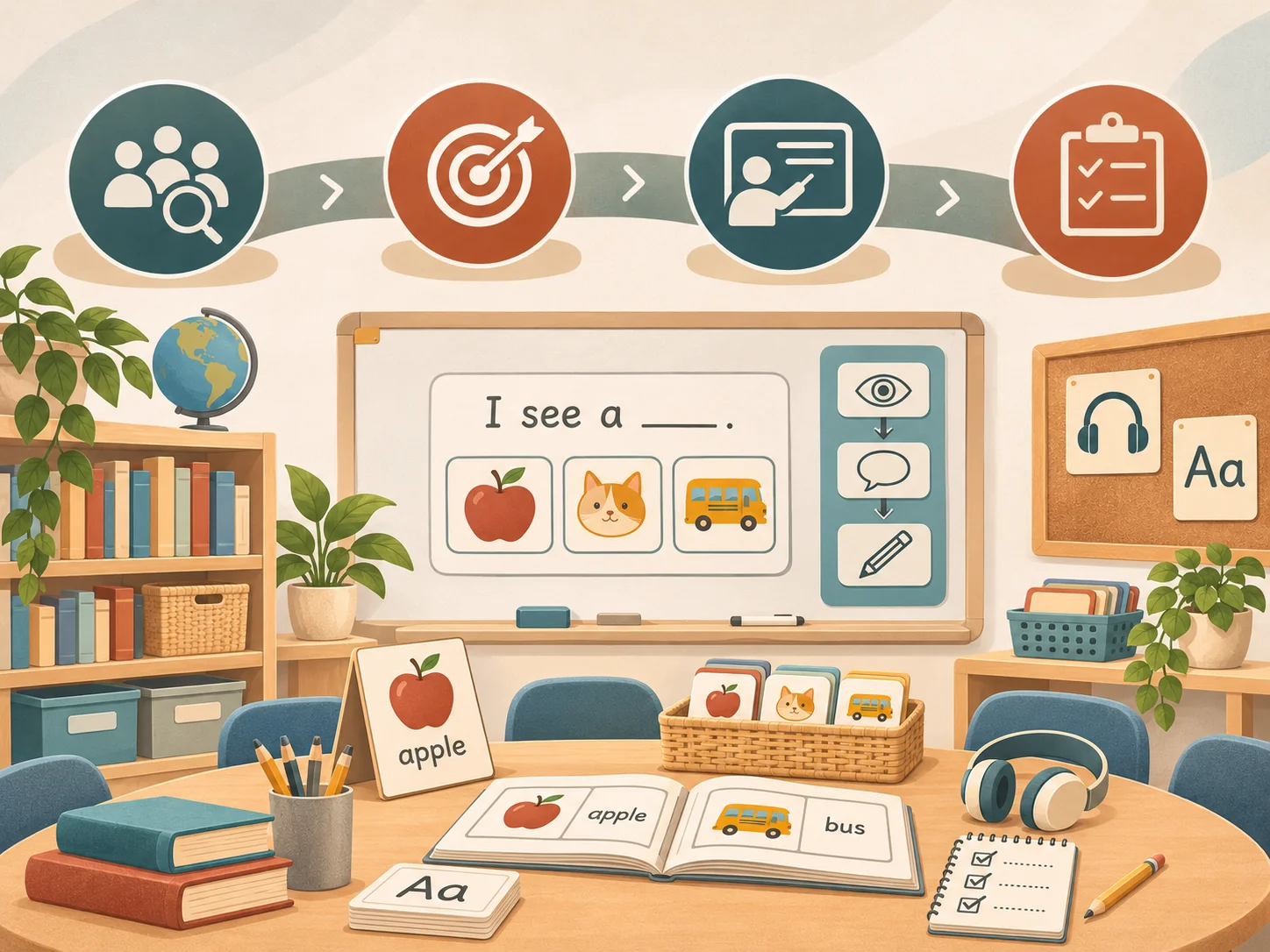
Conceptual illustration of accessible elementary ESL practice: a four-step instructional design pathway, picture-word cards, sentence frame, and visual and audio supports.
01 · Elementary ESL · Grades 2–3

From design alignment to accessible practice

Two distinct graduate artifacts demonstrate objective–assessment alignment and a scaffolded assessment prototype for beginning English learners.

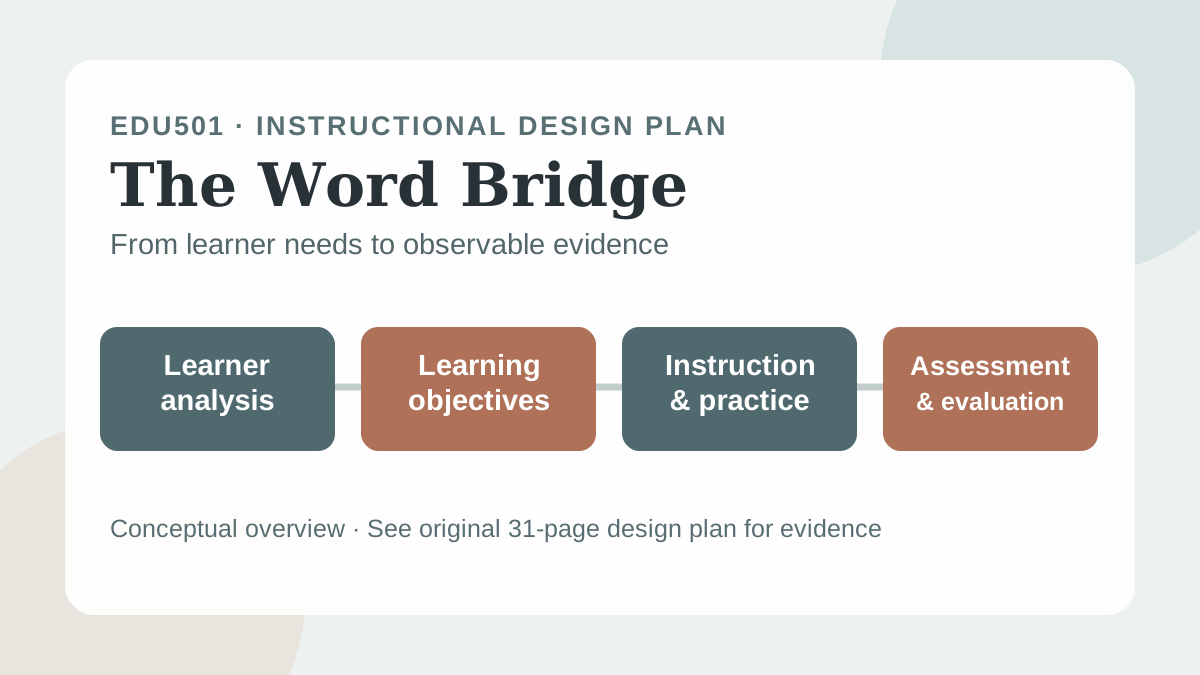
Philosophy in practice: The Word Bridge: objective–assessment alignment; Star Bridge: accessible, learner-centered response options.

My role: Learner analysis, instructional design, prototype development

Status: Design plan and inspectable prototype; learning gains not established

Explore case study
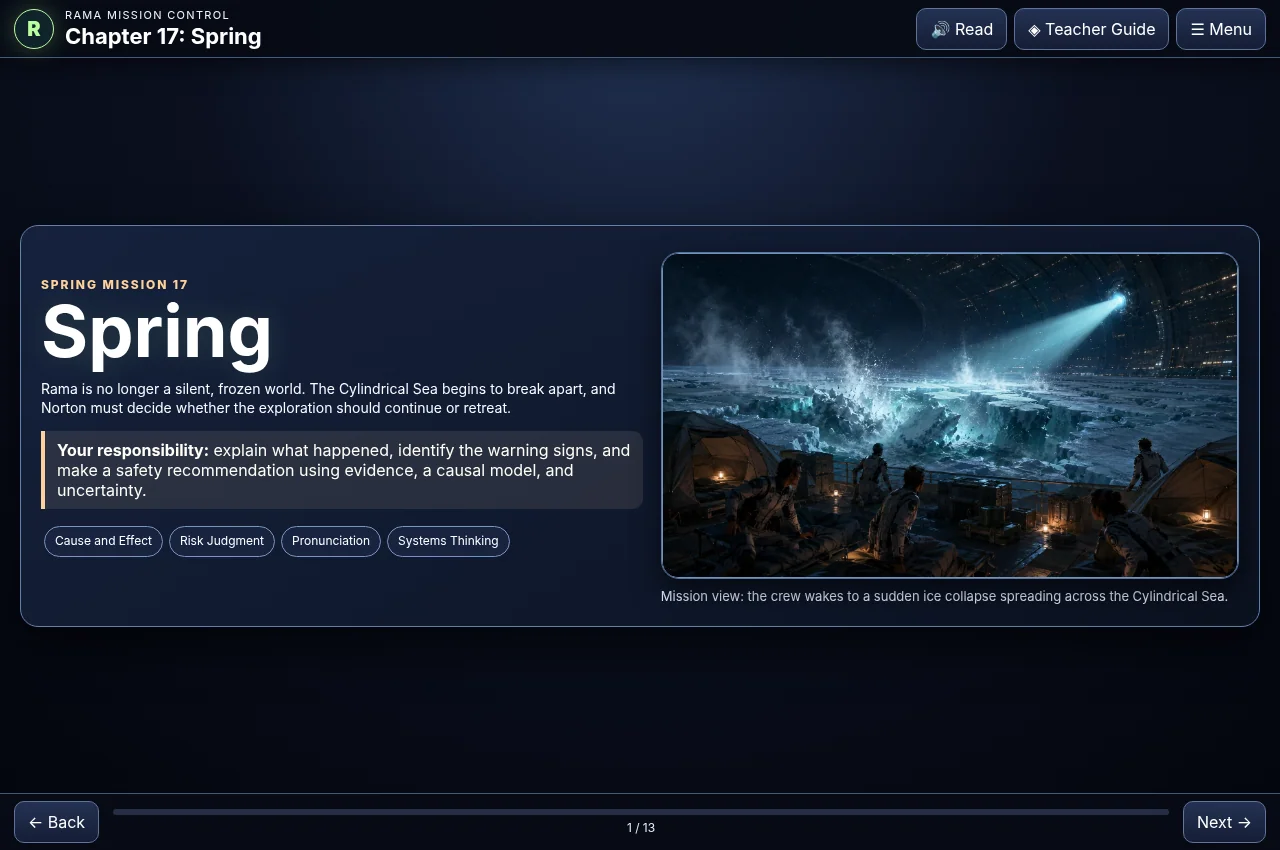
Screenshot of the Chapter 17 learner interface with a mission prompt, lesson topics, and a contextual visual.
02 · Adolescent / advanced ESL

WL Classes: Narrative-based language practice

Contextual reading, vocabulary, pronunciation support, and teacher guidance are combined in an inspectable interactive lesson.

Philosophy in practice: Purposeful engagement, contextualized practice, and formative evaluation.

My role: Lesson design, interactive development, multimedia

Status: Working instructional samples; formative learner feedback is limited

Explore case study
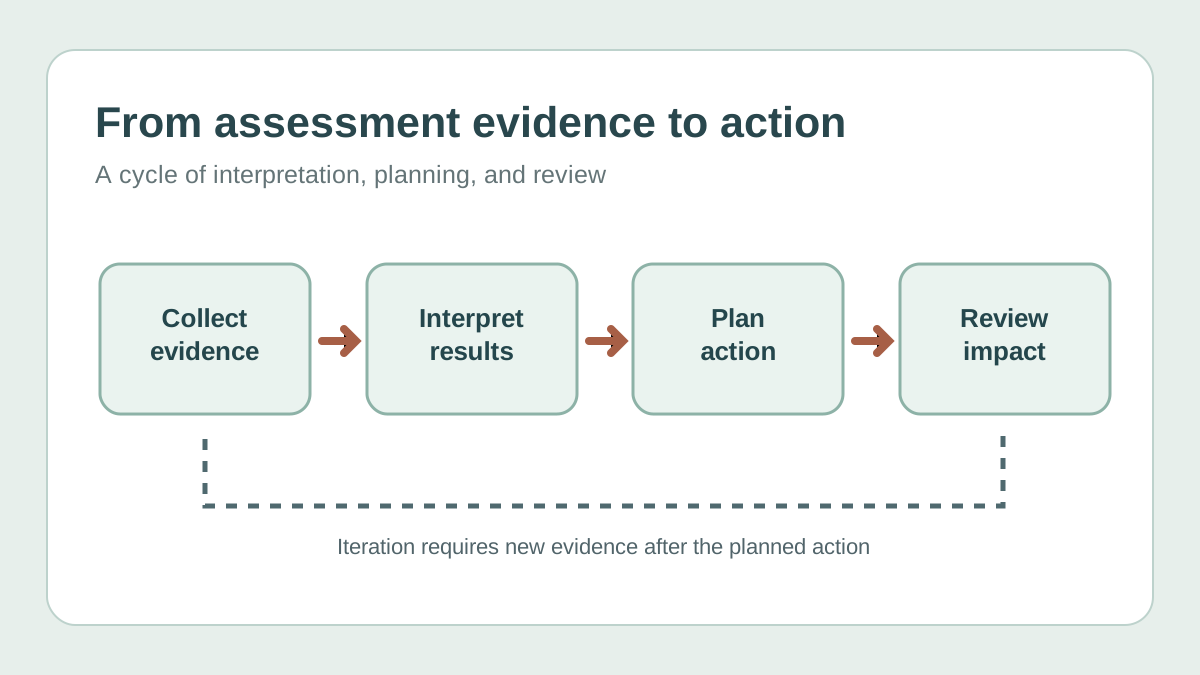
Diagram of the institutional assessment cycle from evidence collection to follow-up review.
03 · Higher education · Institutional assessment

From assessment evidence to improvement

A graduate recommendations report and interactive learning artifact translate assessment analysis into actionable improvement planning.

Philosophy in practice: Systems thinking and evidence-informed continuous improvement.

My role: Research synthesis, recommendation design, interactive explanation

Status: Academic recommendations and lesson; institutional adoption unverified

Explore case study

Want the broader archive? Browse additional teaching and research evidence.

The learning problem comes first

My approach connects investigation, design, development, and evaluation. The sequence is iterative rather than a claim that every project has completed all phases.

  1. 01
    AnalyzeIdentify learners, context, and the performance gap
  2. 02
    AlignConnect objectives, practice, and assessment evidence
  3. 03
    DevelopBuild accessible experiences with meaningful choices
  4. 04
    Examine & reviseUse observation and feedback; state evidence limitations

Professional Overview and Strengths

I design learning experiences that connect learner needs with clear goals, purposeful practice, and evidence of understanding. My work combines English-language teaching, interactive web development, multimedia production, and graduate research. I use learner feedback and formative assessment to guide revisions; I distinguish a developed artifact from a demonstrated learning outcome.

Learning Experience Design Instructional Design TESOL / ESL Curriculum Development Multimedia Communication Cross-Functional Collaboration

Professional Working Philosophy

My philosophy of education rests on the conviction that meaningful learning involves more than acquiring information or merely attending or appearing engaged in an educational environment; it should develop understanding, independent judgment, and the ability to apply knowledge beyond the immediate learning environment. I regard education as both an opportunity and a professional responsibility. Accordingly, I believe instructional success must be judged not merely by what educators present, but by what learners come to understand, retain, and use with increasing independence.

Learners enter educational environments with diverse experiences, abilities, cultural perspectives, and prior knowledge. These differences should inform instructional design rather than dictate who can participate successfully. Constructivism supports my belief that learners develop understanding by connecting new ideas to existing knowledge; experiential learning emphasizes purposeful activity followed by reflection; and Universal Design for Learning provides a framework for anticipating barriers and offering accessible pathways to shared learning goals. These approaches are complementary, but no single method should take precedence over the needs of the learner or the purpose of instruction.

My work as an educator, instructional designer, and developing educational researcher is grounded in systems thinking. I view objectives, instructional activities, assessment, feedback, and learning environments as interdependent elements of a coherent whole. Research and evaluation are therefore integral to teaching: they provide evidence to question assumptions, examine learner performance, and improve instructional decisions. Technology, including artificial intelligence, can broaden opportunities for meaningful engagement, but adoption should be guided by accessibility, instructional relevance, and demonstrated educational benefit—not novelty.

In Spellbound Relics, I give young English learners a story goal and opportunities to discover a sentence pattern through play. I designed the game as an implicit option alongside explicit grammar instruction. When learners experience both, I want to compare when they first show that they recognize the connection between a game task and what they were taught, whether they play before or after the lesson. My working hypothesis for a later study is that learners who play with only the story goal will use the sentence pattern more successfully in a new communication task after a delay than learners who receive explicit grammar instruction with guided practice or learners who hear the grammar objective before playing the same game. Read the IND-GBL research case study.

Integrity, dignity, fairness, and service remain at the heart of my professional responsibilities. In practice, these principles mean setting clear expectations, respecting learner autonomy, supporting diverse learners appropriately, and reconsidering practices when they do not achieve their intended outcomes. I believe professional growth requires both intellectual humility and steadfast commitment. Sound educational decisions grow from scholarly inquiry, collaboration, and ongoing reflection. Ultimately, I aim to help create equitable, meaningful learning experiences that prepare individuals to contribute thoughtfully to their communities.

See the principles in the work: The Word Bridge & Star Bridge — alignment and accessWL Classes — contextual practice and formative reviewInstitutional assessment — evidence-informed improvement.

Academic preparation, certifications, and tools

Master of Education (M.Ed.), Instructional Design (In Progress, Expected Dec 2026)
Tiffin University
Bachelor of Fine Arts (BFA), Visual Communications
American InterContinental University
Associate of Arts (AA), Business Administration
American InterContinental University

Education & professional development

Certifications & professional development

Credentials most applicable to teaching, instructional design, and multimedia are presented first.

Teaching & learning

  • TESOL Certification — 200 hours (Advanced, Business, and Children)American TESOL Institute
  • IBM SkillsBuildUX Design Fundamentals, Agile Explorer, and Project Management Fundamentals · 2024

Media & technical practice

  • Frontend Web DevelopmentDigital Workshop Center · 2023
  • Video DesignDigital Workshop Center · 2024
  • Photography CertificateDefense Information School · 2006

Development workflow

Technical tools & capabilities

Grouped according to how the tools contribute to accessible learning experiences and production.

Interactive learning & web

HTML5CSS3JavaScriptNetlifyFigmaDreamweaverWebsite Management

Visual communication & multimedia

Adobe PhotoshopIllustratorInDesignBlenderMayaSwift 3DPhotographyPresentation Design

Collaboration & documentation

Microsoft WordExcelPowerPointAccessGoogle Workspace

How the tools support learning design

  1. Plan: Identify learner needs and align objectives with assessment.
  2. Build: Develop responsive learning activities and instructional media.
  3. Review: Use observation and learner feedback to guide improvements.
See the selected design examples →

Professional Experience

Selected roles include curriculum design, online teaching, educational media, and professional training. Expand a role for documented responsibilities; the complete résumé provides a chronological record.

Owner / Online Educator / Curriculum DesignerCurrent

Know Buddies LLC
Tennessee / Remote • 02/2018 – Present
View responsibilities and accomplishments
  • Founded and operate an online learning business delivering custom ESL instruction, curriculum systems, and multimedia-enhanced lessons for international learners.
  • Designed structured ESL lessons and curriculum sequences using learner needs, objectives, scaffolded practice, and formative assessment; selected instructional examples are linked below.
  • Develop interactive lessons and teacher resources using HTML, CSS, JavaScript, multimedia, and visual design to support practice and participation.
  • Use learner responses and observations to inform individualized feedback, instructional revisions, and additional practice.

Business Development Lead, North America (staff) + Additional Contract Position

BitsLab Inc.
Remote • Staff position: 03/2023–04/2024 • Additional contract position: Current (start date not specified)
View responsibilities and accomplishments
  • Led North American business development outreach, translating technical blockchain and security services into clear business explanations for professional audiences.
  • Managed client outreach, proposals, presentations, and stakeholder follow-up during the leadership appointment.
  • Collaborated with product, engineering, marketing, and design teams to clarify messaging, stakeholder needs, and solution positioning.
  • Contributed to presentation materials and client-facing visual communication; later involvement has been occasional and contract-based.

IELTS Preparation Instructor

Nanyang Institute of Technology
Henan, China • 07/2016 – 02/2018
View responsibilities and accomplishments
  • Prepared freshman and sophomore university students for IELTS speaking performance through structured instruction in pronunciation, syntax, grammar, note taking, vocabulary development, and test strategy.
  • Provided flexible lesson design with small-group and individualized tutoring formats to address varied learner challenges and improve spoken English readiness.
  • Taught students a repeatable four-part speaking response framework for building complete oral answers under timed assessment conditions.
  • Recognized by academic leadership for resourcefulness, enthusiasm, professional communication, and the ability to motivate students while earning the respect of coworkers.

Oral English Teacher

Sias International University
Henan, China • 08/2015 – 06/2016
View responsibilities and accomplishments
  • Taught freshman university oral English courses across two semesters, preparing weekly lessons and presentations while managing approximately 18 classroom hours per week.
  • Supported curriculum delivery through office hours, English corners, clubs, exam proctoring, faculty meetings, and required university events.
  • Collaborated with educational committees and academic staff to align instructional materials, visual aids, and classroom activities with student needs and institutional expectations.
  • Praised by the academic coordinator for resourcefulness, enthusiasm, keen communication skills, and professional collaboration with both students and foreign faculty colleagues.

English Teacher

Kelly Education / Affiliated Primary & High School of Peking University, Chengdu Xinjin Weiming School
Chengdu, China • 09/2013 – 07/2014
View responsibilities and accomplishments
  • Taught Kindergarten through Grade 8 students for approximately 30 hours per week, serving classes that averaged 25–30 learners and adapting instruction across wide age and ability ranges.
  • Designed and delivered lessons in foundational English, vocabulary, conversation, spelling, syntax, rhetoric, and basic grammar, including advanced sections in multiple grade levels.
  • Integrated games, movies, music, audiovisual materials, and flexible teaching strategies to increase active participation and maintain learner engagement in a cross-cultural setting.
  • Volunteered additional tutoring for senior students preparing for TESOL-related exams and was commended by leadership for thoughtful, engaging lessons, flexibility, positive energy, and strong rapport with both younger and adult learners.

Multimedia Consultant

Kimberly A. Michaud Interiors
Tennessee • 05/2010 – 12/2023
View responsibilities and accomplishments
  • Delivered long-term contract support in website planning, multimedia design, illustration, marketing collateral, portfolio photography, and visual brand presentation.
  • Produced digital and print-ready assets including brochures, business card concepts, posters, promotional media, and presentation visuals aligned with business development goals.
  • Coordinated with external web and SEO partners while advising on vendor selection, creative direction, and site-related communication workflows.
  • Captured professional photography for project locations and portfolio use, helping translate interior design work into polished client-facing visual assets.
Earlier professional experience (4 additional roles)

Mass Communication Specialist (MC2)

U.S. Navy — USS John C. Stennis (CVN-74) / Naval Base Kitsap
Bremerton, WA • 03/2006 – 05/2010
View responsibilities and accomplishments
  • Produced large-scale visual communications, publications, photography, journalism, database assets, and web content in support of shipboard operations and public affairs.
  • Generated high-volume document and graphic output for a crew of roughly 5,500 personnel, including thousands of documents, reports, photographs, and communication products under tight timelines.
  • Maintained extensive web content and media databases, prepared presentation assets, and supported photography, graphic production, and website updates.
  • Trained personnel in Microsoft Office, Adobe Creative Suite, and multimedia production workflows while serving in roles that included photographer, journalist, television control room operator, webmaster, and graphic arts lead.

Upper Level / Conversational English Teacher

English First
Dongguan, China • 07/2005 – 11/2005
View responsibilities and accomplishments
  • Taught teenage and adult English learners in conversational and upper-level classes aligned to school curriculum goals.
  • Prepared daily lesson plans, administered tests and quizzes, and supported class demonstrations and activities beyond the formal classroom.
  • Strengthened cross-cultural communication skills through direct work with learners during both instructional and community-based events.

Co-owner / Director of Training Management and Client Services

Essential Dynamics Inc.
North Ogden, UT • 09/1999 – 07/2005
View responsibilities and accomplishments
  • Advanced from office support responsibilities into company leadership, reporting directly to the president and later serving as co-owner with oversight of training and multimedia functions.
  • Created and implemented company policies, standards, compliance practices, and training procedures for retail sales personnel, vendors, and product education efforts.
  • Directed graphic design, website management, UI-related presentation assets, and instructional materials for a nutraceutical business with a large product catalog.
  • Supported quality improvement, business performance, and operating procedure refinement while building systems for merchandise training and client-facing communication.

Pre-K Teacher

Total Energy
Park City, UT • 09/1998 – 02/1999; 05/2001 – 08/2001
View responsibilities and accomplishments
  • Prepared daily learning materials and age-appropriate activities for groups of young children, typically ranging from 5 to 20 learners.
  • Planned instruction in foundational early learning concepts such as the alphabet and numbers while adapting lessons to student interest and developmental needs.

Explore additional projects and teaching evidence

Explore interactive learning experiences, lesson samples, research, and formative learner feedback. Start with the featured case studies for a closer look at my design process.

Practical examples
Preview for Bilingual Teacher Guide Platform
Teacher support · Lesson planning

Bilingual Teacher Guide Platform

Bilingual lesson-planning resources supporting accessible instruction, participation, and teacher preparation in community and faith-based learning contexts.

Philosophy in practice: Bilingual access and differentiated teacher support; lesson structures can be adapted to distinct learner needs.

Evidence: Published lesson guides and teaching resources.

  • Bilingual accessibility
  • Teacher preparation
  • Inclusive instruction
Visit the teacher guides
Illustration of classroom materials and a visual path from learner needs to assessment
Universal Design for Learning · Selected work

Accessible Learning Design

Design examples showing how visual supports, response choices, and observation help young English learners participate.

Philosophy in practice: Equitable access, learner agency, and reduced barriers through deliberate UDL-informed decisions.

Evidence: The case study documents the accessibility choices, formative checks, and learner supports.

  • UDL
  • Accessibility
  • Learning evaluation
Explore accessible learning design
Mei and Abby stand beside the broken Star Bridge in the assessment prototype.
Elementary English · Accessible assessment

Star Bridge: Ancient Ruins

A narrative-based formative assessment for Grades 2–3 English learners that uses choice, graduated scaffolding, multiple response pathways, and teacher observation to gather meaningful evidence of learning.

Philosophy in practice: Accessible formative assessment through scaffolded choices and multiple response pathways.

Evidence: Working assessment prototype with observable response pathways and a proposed teacher-observation process.

  • Authentic assessment
  • Scaffolding
  • Elementary ESL
Review the assessment design
Preview for Woody Lessons · ESL Mission Platform
Advanced English · WL Classes

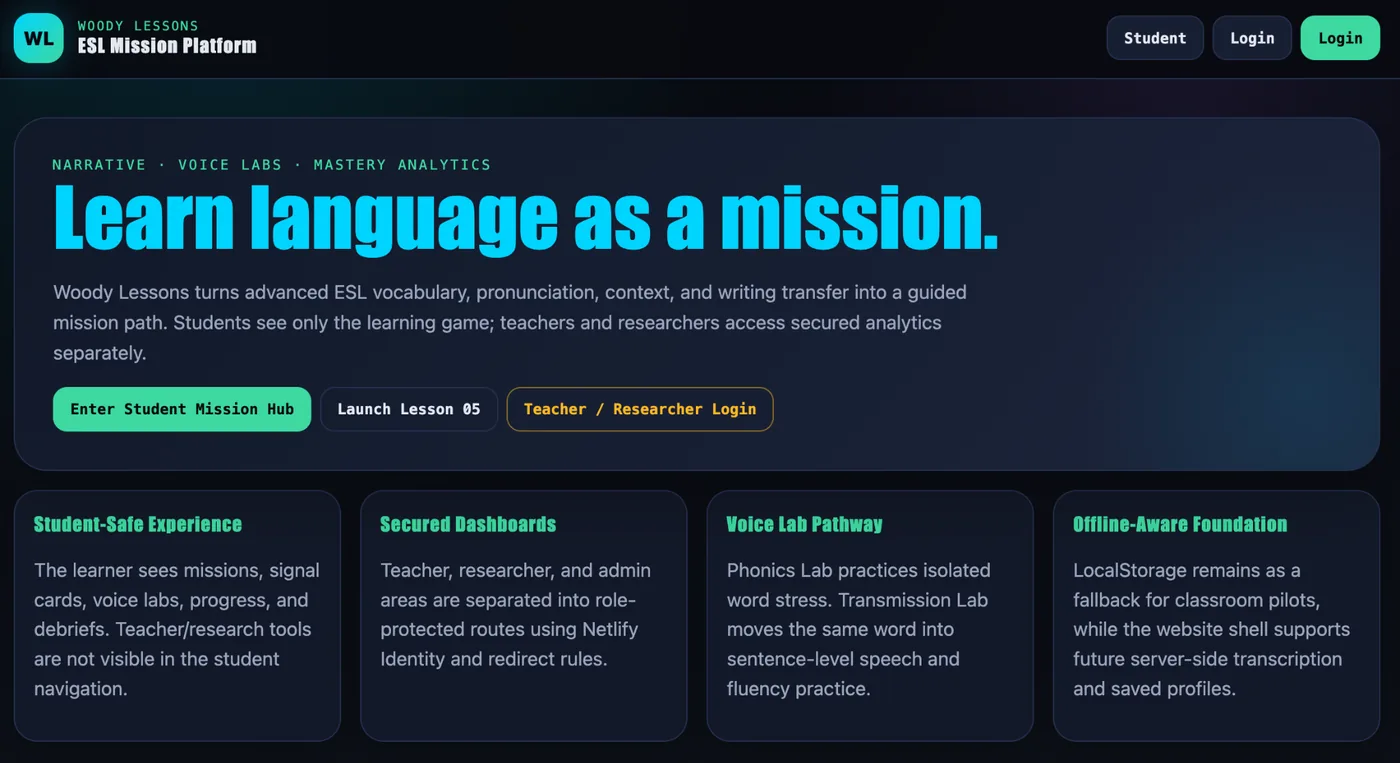
WL Classes · Narrative ESL Learning Platform

An interactive language-learning platform joining contextual vocabulary, phonics and pronunciation practice, narrative missions, progress indicators, and distinct student and teacher/researcher experiences.

Philosophy in practice: Purposeful educational technology supporting contextual language practice and learner engagement.

Evidence: Working browser-based lessons and teacher guides.

  • Narrative learning
  • Pronunciation
  • Teacher tools
Explore the ESL missions
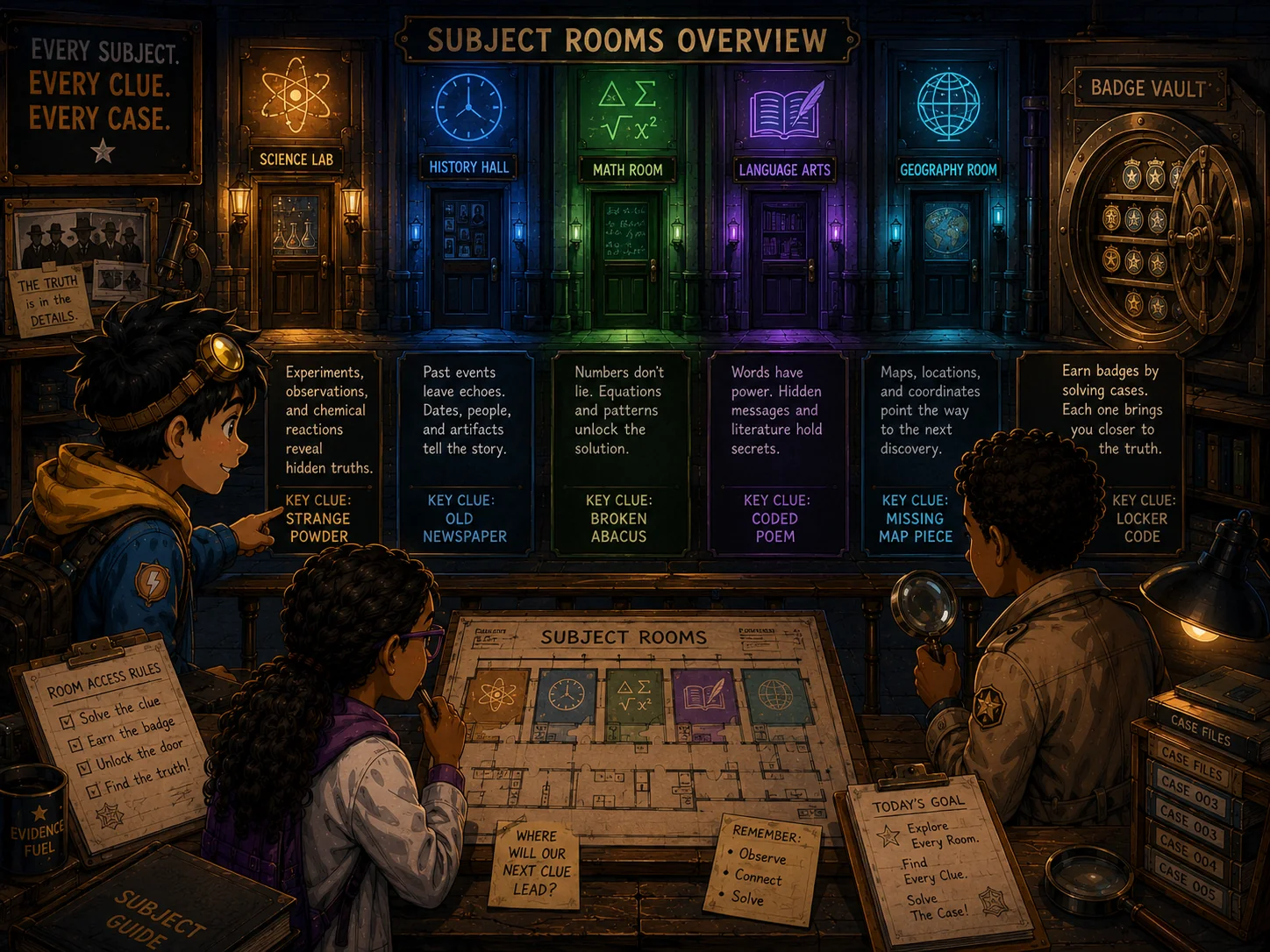
Preview for Mystery Summer Camp · The Midnight Case Files
Elementary enrichment · 9-week course

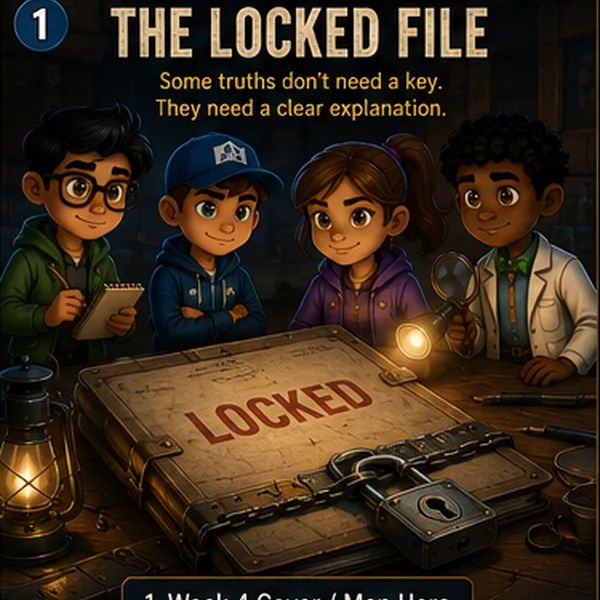
Mystery Summer Camp · The Midnight Case Files

An illustrated detective-learning experience bridging the end of Grade 3 and the beginning of Grade 4. Week 0–8 case files connect literacy, mathematics, science, history, and reasoning through evidence-based tasks, subject rooms, progress badges, and teacher/family supports.

Philosophy in practice: Experiential inquiry and interdisciplinary problem-solving through structured investigations.

Evidence: Nine-week instructional sequence, cross-curricular activities, and teacher/family support materials.

  • Cross-curricular design
  • Narrative-based learning
  • Teacher/family resources
Explore Midnight Case Files
Representative illustration from a related ZL Classes lesson: Mei, Abby the cat, and Luma examine glowing Old Star Tongue symbols on a stone wall.
Elementary ESL · ZL Classes · Game-based learning

Mei & Abby: Spellbound Relics

An original fantasy-learning game in which Mei, Abby, and Luma explore the Old Star Tongue, discover language clues, and build English sentences to progress through magical challenges.

Philosophy in practice: Guided discovery and progressive scaffolding in an interactive language-learning environment.

Evidence: Playable game and related lessons; evaluation remains preliminary.

  • Implicit game-based learning
  • Sentence construction
  • Progressive hints
Explore Spellbound Relics Read the IND-GBL research case study View a related ZL lesson
Interactive ESL lesson samples

Open a student lesson to explore the learning experience; selected lessons also include teacher guides.

WL Classes · Chapters 17–20

Philosophy in practice: Scaffolded language development through contextual reading, vocabulary work, and teacher-guided practice.

ZL Classes · Lessons 15–18

Philosophy in practice: Guided discovery and progressive language support through interactive narrative activities.

ZL Classes · Elementary ESL

Lesson 15 · Moonwell Garden

An illustrated story pathway with contextual language activities and guided discovery.

ZL Classes · Elementary ESL

Lesson 17 · The Star Cradle

Symbol-supported language practice in an interactive narrative learning environment.

Research and instructional planning

Selected planning and assessment work demonstrates how I translate educational needs into instructional decisions and practical recommendations.

IND-GBL Research Prospectus

I developed Implicit Narrative-Driven Game-Based Learning (IND-GBL) to explore how learners might discover a pattern through play and apply it in a new situation. Spellbound Relics is the framework’s first application in elementary English language learning.

The prospectus explains how I would pilot the game and assess whether learners can use a sentence pattern to communicate outside the story.

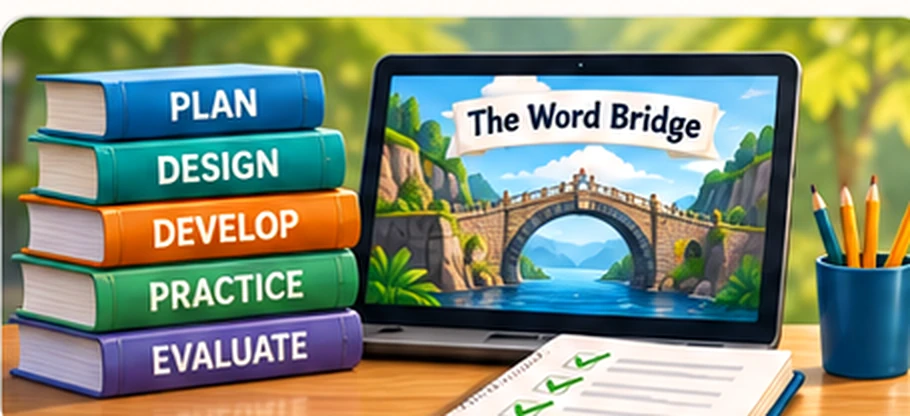
Illustrative artwork for The Word Bridge: a bridge on a learning screen beside planning, practice, and evaluation resources.

The Word Bridge — Learning Design Plan

Designed a three-session grammar-recognition learning plan for beginning English learners, including learner analysis, objective–assessment alignment, visual supports, observation, and evaluation planning.

Philosophy in practice: Alignment among learner needs, observable objectives, formative checks, and instructional supports.

Supporting materials: alignment map, learning sequence, observation checklist, and evaluation plan.

Tiffin Core — Assessment Recommendations

Analyzed institutional assessment communication and developed recommendations for clearer evidence summaries, faculty scoring calibration, reporting, and follow-through.

Philosophy in practice: Systems-oriented evaluation and evidence-informed improvement in higher education.

Supporting materials: analysis, actionable recommendations, and scholarly references.

Evidence to Action — Interactive Lesson

Developed a browser-based learning resource that guides users through assessment-to-action steps using practice checks, evidence mapping, and reflection prompts.

Philosophy in practice: Purposeful technology that helps translate assessment evidence into understandable instructional decisions.

Features: navigable sections, progress checks, an evidence-to-recommendation matrix, and printable prompts.

Learner feedback and iterative improvements

What learner feedback revealed

Two individual learner responses—one for each game—highlighted different areas to examine. The findings are exploratory and help prioritize further observation, not claims of learning improvement.

Evidence status: One response per game, using different rating scales; additional testing is needed before drawing conclusions about learning outcomes.

Teaching examples and recommendations

Review selected classroom design examples and letters from former teaching supervisors.

Open to Learning Experience Design, Corporate Training,
& Multimedia Opportunities

Professional Availability

Available for remote, hybrid, and selected onsite roles, along with contract or consulting projects that require strong instructional strategy, digital content development, stakeholder communication, and learner-centered execution.

Location

Centerville, Tennessee, United States

Start a conversation

For instructional design, learning technology, or educational collaboration, send an email with a brief description of the opportunity or project.

Open an email to David

Opens your email application; this site does not collect or store your message.